FactBasedUrology • Sexual Health & Nutrition
Which Foods Support Libido in Men? A Nutritional Guide to Sexual Health
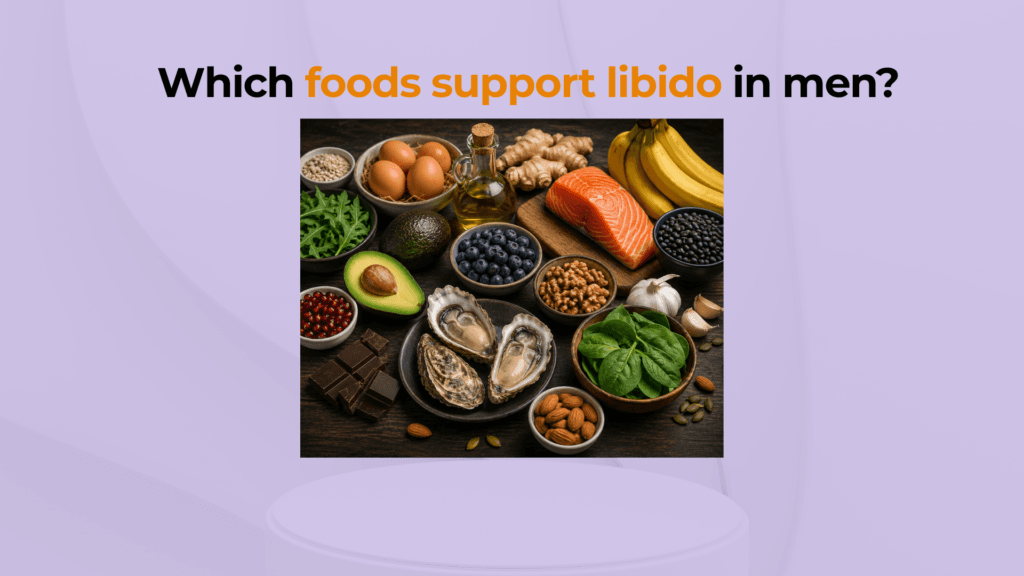
Foods that support libido in men include cooked oysters or shellfish, salmon, sardines, eggs, pumpkin seeds, legumes, walnuts, leafy greens, beets, berries, pomegranate, and extra-virgin olive oil as part of a heart-healthy dietary pattern.
These foods support male libido indirectly by helping normal testosterone physiology, nitric oxide availability, endothelial function, metabolic health, and energy. They do not act like prescription treatment, they do not cure erectile dysfunction, and they do not replace medical evaluation for persistent low libido.
Medical boundary: Low libido can come from low testosterone, depression, medication effects, sleep apnea, diabetes, vascular disease, relationship distress, chronic pain, or other conditions. A man with sudden, persistent, painful, or distressing libido loss should speak with a qualified clinician.
Best Foods for Male Libido Support
The best foods for male libido support are nutrient-dense foods that protect hormone adequacy and blood-flow response rather than foods marketed as aphrodisiacs. The practical target is a repeatable dietary pattern, not a single miracle food.
| Food | Main sexual-health support | Realistic use | Boundary |
|---|---|---|---|
| Cooked oysters or shellfish | Zinc and selenium adequacy | Use cooked shellfish as an occasional mineral-dense protein. | Raw shellfish risk is not worth a libido claim. |
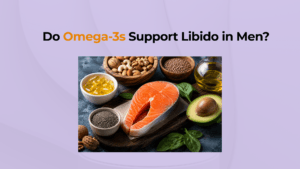
| Salmon and sardines | Omega-3 fats, vitamin D, protein | Choose lower-mercury fish a few times weekly if tolerated. | Fish supports vascular health; it is not an ED treatment. |
| Eggs | Protein, choline, vitamin D in some eggs | Use as a convenient protein source inside a balanced diet. | Eggs do not directly raise libido on their own. |
| Pumpkin seeds | Zinc, magnesium, plant protein | Add to oats, yogurt, salads, or trail mix. | Plant zinc is less bioavailable than animal zinc. |
| Legumes and lentils | Arginine, fiber, metabolic support | Use beans, lentils, chickpeas, or soy foods several times weekly. | They support cardiometabolic health, not instant arousal. |
| Leafy greens and beets | Dietary nitrates and vascular support | Pair greens with vitamin C foods such as citrus or peppers. | Nitrates support nitric oxide pathways but do not replace ED care. |
| Berries and pomegranate | Polyphenols and antioxidant intake | Use whole fruit more often than sweetened juice. | Polyphenols are supportive, not curative. |
| Extra-virgin olive oil | Heart-healthy fat pattern | Use as the main added fat with vegetables and legumes. | The overall diet pattern matters more than one oil. |
What Nutrients Directly Support Male Libido Biology?
The nutrients that most directly support male libido biology are zinc, vitamin D, protein amino acids, dietary nitrates, omega-3 fats, selenium, vitamin E, vitamin C, and polyphenols. These nutrients support normal hormone physiology, endothelial function, energy metabolism, and oxidative-stress control.
Zinc and normal testosterone physiology
Zinc supports normal male reproductive hormone physiology when intake is inadequate, but extra zinc above requirement does not guarantee higher libido. Oysters, meat, fish, poultry, eggs, dairy, beans, nuts, and whole grains provide zinc, with oysters being especially concentrated.
If low desire appears with fatigue, muscle loss, testicular change, infertility concern, or low morning erections, nutrition should be paired with evaluation for low testosterone rather than treated with zinc foods alone.
Arginine, nitrates, and blood-flow response
Arginine-rich foods and nitrate-rich vegetables can support nitric oxide availability, which matters for vascular response during sexual arousal. Lentils, beans, poultry, fish, nuts, seeds, beets, spinach, arugula, and other leafy greens are the main practical options.
This pathway supports sexual function biology, but it should not be presented as a replacement for diagnosis or treatment when erections are consistently unreliable.
How Should Men Build a Libido-Supportive Meal Pattern?
Men should build a libido-supportive meal pattern around seafood or lean protein, legumes, vegetables, whole grains, nuts, seeds, fruit, and olive oil. This pattern supports sexual health because the same vascular, metabolic, sleep, and energy systems that protect the heart also influence arousal capacity and erection reliability.
A practical libido-supportive day
Breakfast: eggs or Greek yogurt with berries, pumpkin seeds, and oats.
Lunch: lentil bowl with olive oil, leafy greens, peppers, and citrus.
Dinner: salmon, sardines, or lean poultry with vegetables and whole grains.
Snack: walnuts, almonds, fruit, or hummus instead of sweets.
Seafood can be useful because omega-3 intake fits a vascular-support pattern, but mercury risk, raw shellfish risk, allergies, and sustainability should guide the exact food choice.
What Foods Should Men Limit for Better Sexual Health?
Men should limit frequent ultra-processed foods, high added-sugar intake, artificial trans fats, and heavy alcohol use because these patterns can damage metabolic and vascular health. The issue is repeated intake over time, not one meal.
| Limit | Why it matters for libido support | Better replacement |
|---|---|---|
| Sugary drinks and desserts as a daily habit | High added-sugar patterns can worsen weight, insulin resistance, and cardiometabolic risk. | Water, unsweetened tea, whole fruit, yogurt with berries. |
| Partially hydrogenated oils and trans-fat sources | Artificial trans fats are harmful to cardiovascular health and should not be part of a vascular-support diet. | Olive oil, nuts, seeds, avocado, and fish. |
| Heavy alcohol intake | Alcohol can impair sleep, mood, hormone signaling, erection reliability, and relationship function. | Alcohol-free days, smaller servings, or clinical support if cutting down is difficult. |
| Low-protein crash dieting | Severe restriction can worsen energy, training recovery, mood, and sexual interest. | Steady calorie control with protein, vegetables, legumes, and resistance training. |
Do not demonize single foods. The stronger semantic frame is pattern frequency: daily sugar-heavy, alcohol-heavy, low-fiber, low-protein eating is more relevant to sexual health than a single dessert or celebration meal.
When Should Low Libido Be Medically Evaluated?
Low libido should be medically evaluated when it is persistent, sudden, distressing, linked with erection problems, or accompanied by fatigue, depression, pain, testicular changes, medication changes, diabetes risk, or cardiovascular symptoms. Food can support the body, but it cannot diagnose the cause.
A man can eat well and still have low desire if the primary driver is hormonal, psychological, neurological, vascular, medication-related, or relationship-related. This distinction matters because erectile dysfunction and low libido are related but not the same problem.
Use food changes for baseline support, then use symptoms to decide whether low libido warning signs require a clinician, lab testing, medication review, or mental-health support.
For broader dietary context, libido nutrition should be handled as one layer inside sleep, activity, metabolic health, mood, medication review, and relationship context.
FAQs About Foods That Support Libido in Men
Do oysters increase male libido?
Oysters can support zinc intake, but oysters do not reliably increase male libido by themselves. They are best understood as a zinc-rich food, not as a guaranteed aphrodisiac.
Are plant foods enough for male libido support?
Plant foods can support male libido biology through fiber, nitrates, magnesium, arginine, and antioxidants. Men who avoid animal foods should pay closer attention to zinc, vitamin D, B12, iodine, iron, and total protein adequacy.
How fast can diet improve libido?
Diet may improve libido gradually over weeks to months when poor intake, excess alcohol, low energy, weight gain, or metabolic issues are contributing factors. Sudden or severe low libido should not be managed with food changes alone.
Should men use libido supplements instead of food?
Men should not use libido supplements as a replacement for food quality or medical evaluation. Supplements can interact with medications, contain inconsistent doses, and delay diagnosis when low libido has a medical cause.
Conclusion
Foods support libido in men by improving the biological conditions that make desire and arousal easier: nutrient adequacy, vascular health, metabolic control, energy, and oxidative-stress balance. The strongest practical approach is not a single aphrodisiac food; it is a consistent diet built around cooked shellfish or fish when appropriate, eggs, legumes, seeds, nuts, leafy greens, beets, berries, pomegranate, olive oil, and minimally processed meals.
Persistent low libido needs medical evaluation because the cause can sit outside nutrition. Food is a supportive layer, not a diagnostic tool or standalone treatment.
Evidence Sources Used
- NIH Office of Dietary Supplements. Zinc — Health Professional Fact Sheet. https://ods.od.nih.gov/factsheets/Zinc-HealthProfessional/
- NIH Office of Dietary Supplements. Vitamin D — Health Professional Fact Sheet. https://ods.od.nih.gov/factsheets/VitaminD-HealthProfessional/
- NIH Office of Dietary Supplements. Selenium — Health Professional Fact Sheet. https://ods.od.nih.gov/factsheets/Selenium-HealthProfessional/
- NIH Office of Dietary Supplements. Vitamin E — Health Professional Fact Sheet. https://ods.od.nih.gov/factsheets/VitaminE-HealthProfessional/
- NIDDK. Symptoms & Causes of Erectile Dysfunction. https://www.niddk.nih.gov/health-information/urologic-diseases/erectile-dysfunction/symptoms-causes
- Mayo Clinic. Erectile dysfunction — Symptoms and causes. https://www.mayoclinic.org/diseases-conditions/erectile-dysfunction/symptoms-causes/syc-20355776
- Dietary Guidelines for Americans, 2020–2025. https://www.dietaryguidelines.gov/sites/default/files/2020-12/Dietary_Guidelines_for_Americans_2020-2025.pdf
- U.S. Food and Drug Administration. Final Determination Regarding Partially Hydrogenated Oils. https://www.fda.gov/food/food-additives-petitions/final-determination-regarding-partially-hydrogenated-oils-removing-trans-fat
- American Heart Association. What is the Mediterranean Diet? https://www.heart.org/en/healthy-living/healthy-eating/eat-smart/nutrition-basics/mediterranean-diet