
Where Is the Prostate Located? Relation to the Bladder, Urethra and Rectum
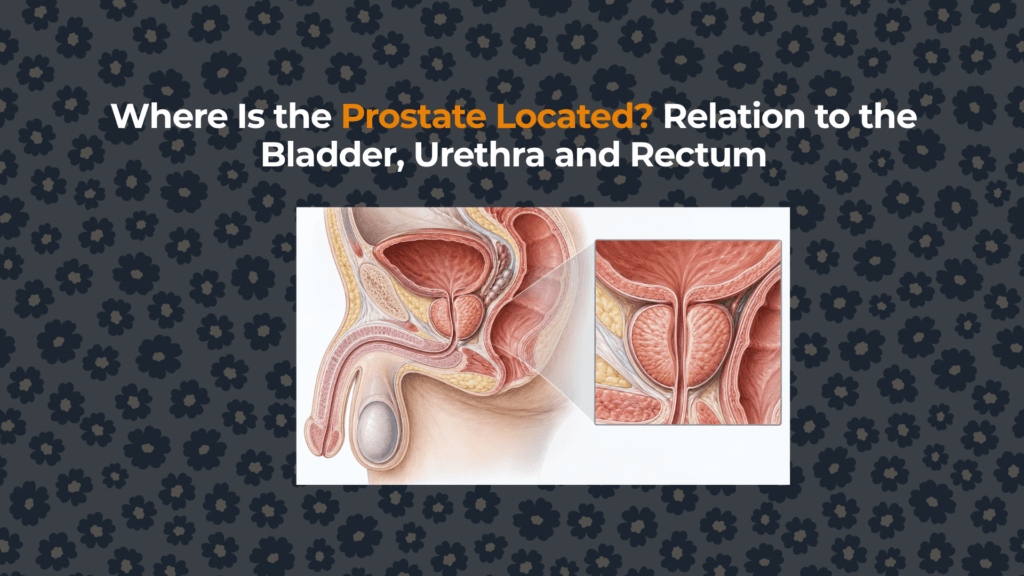
Prostate Education & Imaging Center › Browse prostate articles Prostate anatomy · Evidence-based patient education · Updated August 26, 2026 The prostate is a gland in the lower male pelvis. Its position at the junction of the urinary and reproductive tracts explains why prostate enlargement can affect urination, why part of the gland is reachable […]
What Is the Prostate Gland? Anatomy, Function and Role in Male Reproduction
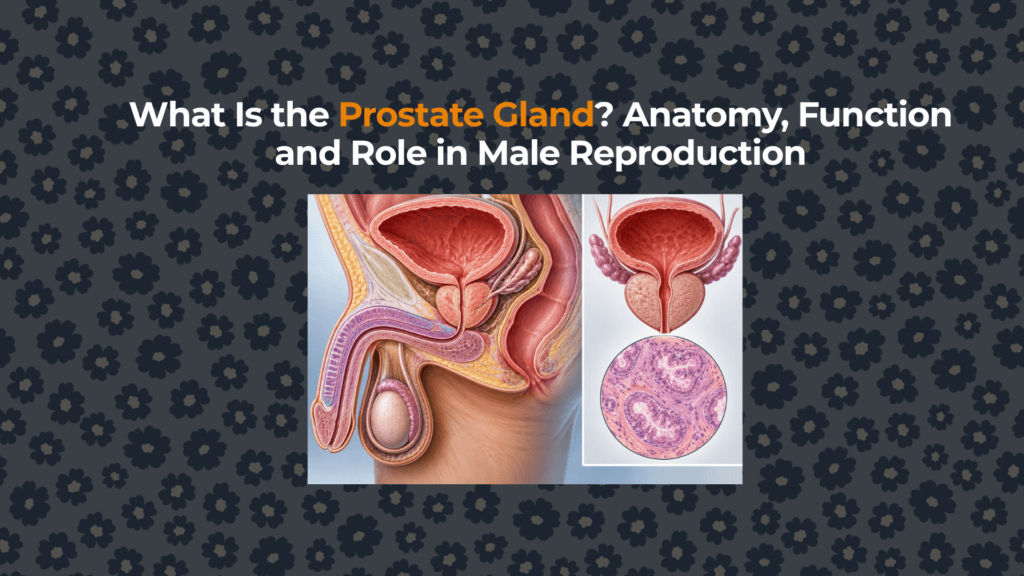
Prostate Education & Imaging Center › Browse prostate articles The prostate gland is a male reproductive organ located below the bladder and in front of the rectum. It surrounds the proximal urethra, produces fluid that becomes part of semen and contracts during ejaculation. Its location connects reproductive function with the lower urinary tract. Prostate tissue […]
What Are the Zones of the Prostate? Peripheral, Transition and Central Anatomy
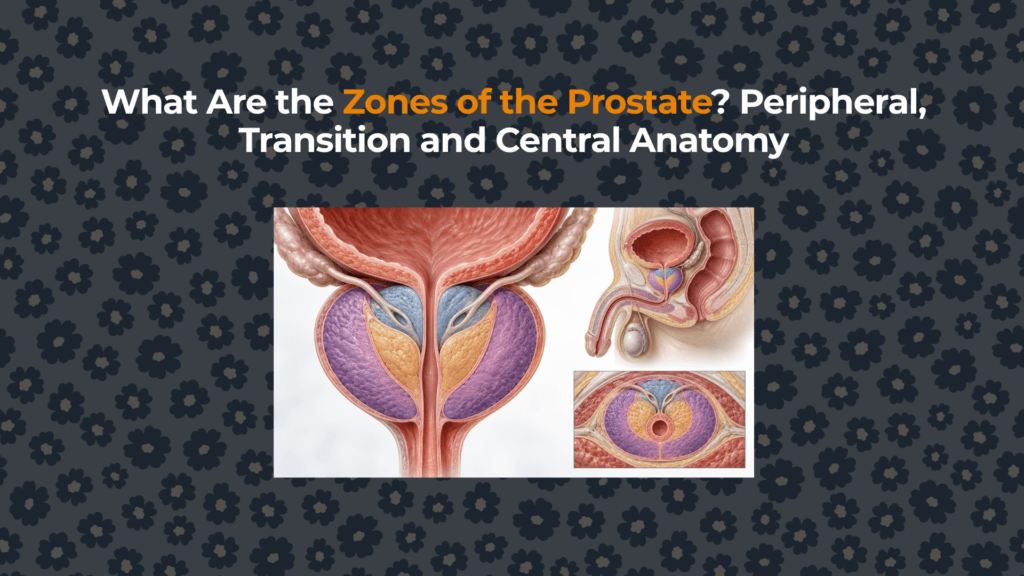
Prostate Education & Imaging Center › Browse prostate articles Prostate anatomy · Zonal model · Updated August 26, 2026 The prostate is organized into regions with different positions, tissue composition and disease patterns. Understanding those regions explains why benign enlargement commonly develops around the urethra while many prostate cancers arise farther back, near the rectum. […]
What Is the Prostate Transition Zone? Anatomy, BPH Growth and Clinical Significance
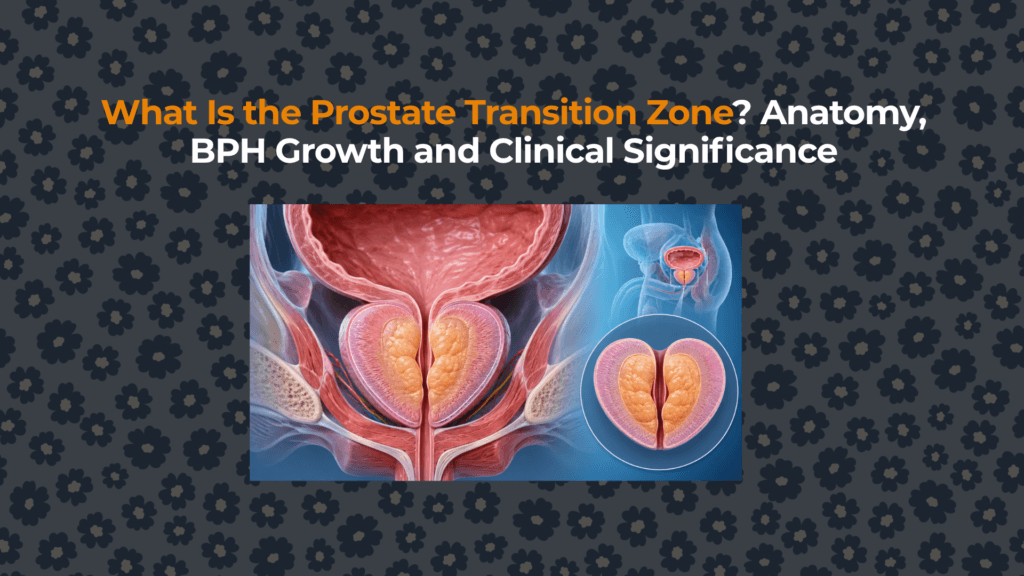
Prostate Education & Imaging Center › Browse prostate articles Prostate anatomy · BPH growth · Updated August 26, 2026 The transition zone is a small inner region of the prostate with outsized clinical importance. Its position around the urethra explains why tissue growth there can alter urine flow, while its mixed glandular and stromal composition […]
What Is the Prostate Peripheral Zone? Anatomy and Prostate Cancer Relevance
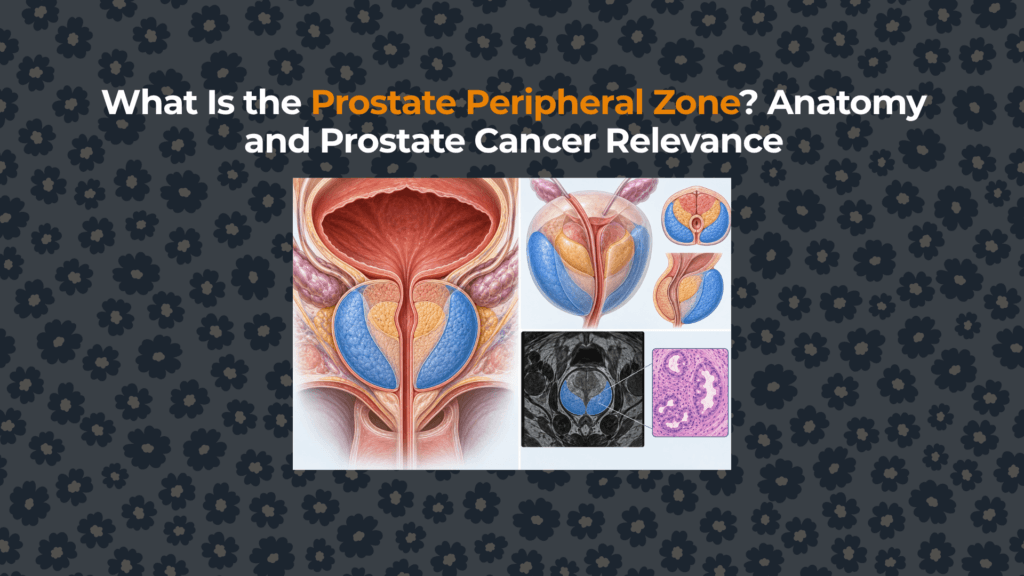
Prostate Education & Imaging Center › Browse prostate articles Prostate anatomy · MRI and cancer context · Updated August 26, 2026 The peripheral zone is the largest glandular region of the prostate and occupies most of its posterior and lateral outer tissue. Its proximity to the rectum makes part of it palpable, and its tissue […]
What Is the Prostatic Urethra? Location, Function and Bladder Outlet Obstruction
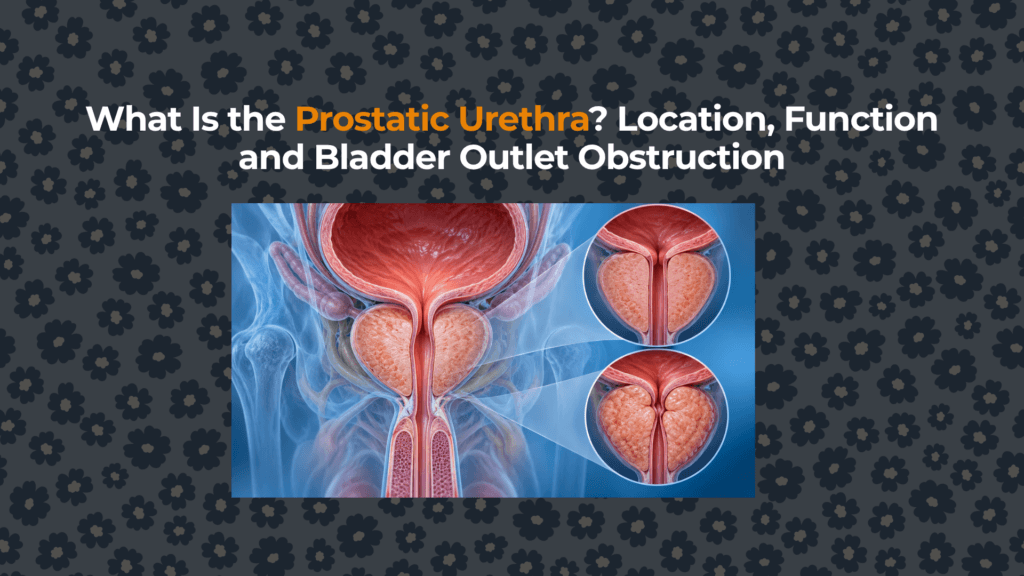
Prostate Education & Imaging Center › Browse prostate articles Prostate anatomy · Urinary and ejaculatory pathway · Updated August 26, 2026 The prostatic urethra is the section of the male urethra that passes through the prostate. It is simultaneously a urine conduit, the receiving channel for prostate and ejaculatory-duct secretions, and the segment most directly […]
What Is the Prostate Capsule? Anatomy, Boundaries and Clinical Significance
Prostate Education & Imaging Center › Browse prostate articles Prostate anatomy · MRI, pathology and surgery · Updated August 26, 2026 The term prostate capsule suggests a complete, peelable shell. Human anatomy is less tidy. The prostate’s edge is formed by a variable condensation of fibromuscular stroma that merges with tissue inside the gland and […]
What Are the Seminal Vesicles? Anatomy, Seminal Fluid and Ejaculatory Function
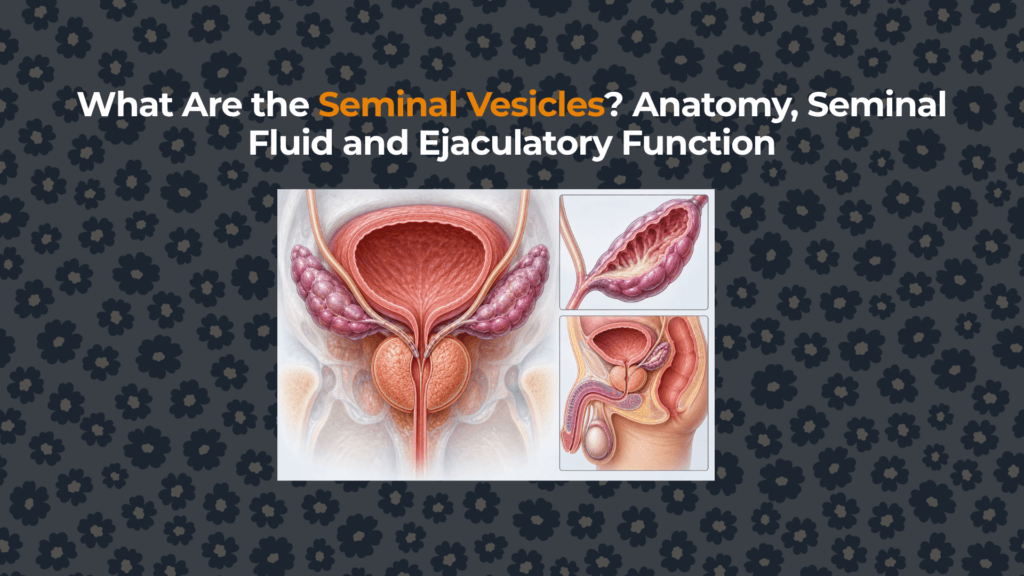
Prostate Education & Imaging Center › Browse prostate articles Accessory gland anatomy · Fertility · Prostate-cancer staging The seminal vesicles are paired glands tucked behind the bladder and above the prostate. Despite their name, they do not store sperm. Their highly folded lining produces most of the fluid in a typical ejaculate, including fructose and […]
What Does the Prostate Do? Function in Semen, Ejaculation and Fertility
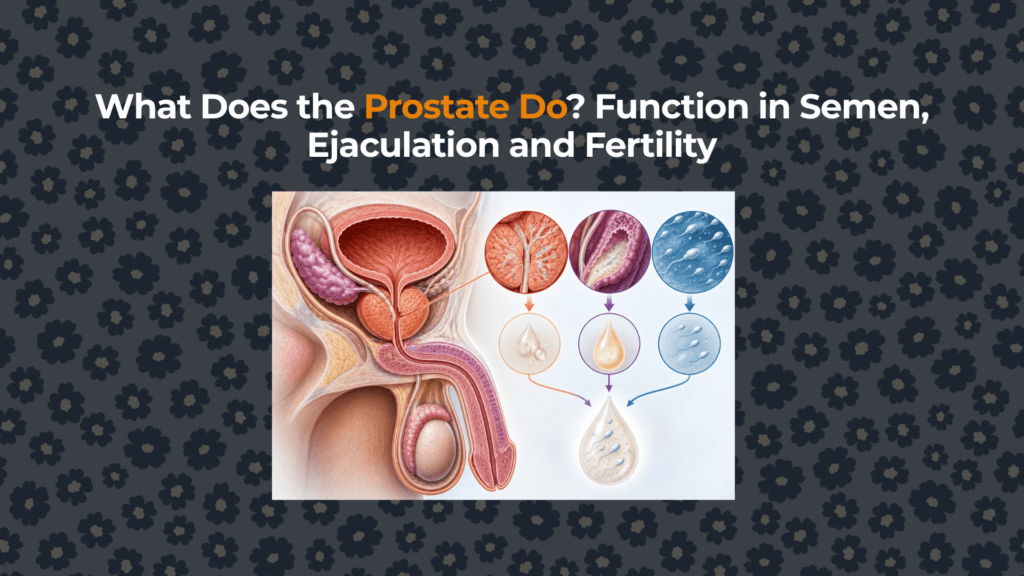
Prostate Education & Imaging Center › Browse prostate articles Reproductive physiology · Semen biochemistry · Lower urinary tract The prostate is best known because it enlarges, becomes inflamed or develops cancer. Its normal job is reproductive: secretory cells manufacture a distinctive fluid, ducts release it into the urethra, and smooth muscle helps propel the mixture […]
What Is Prostatic Fluid? Composition, Function and Contribution to Semen
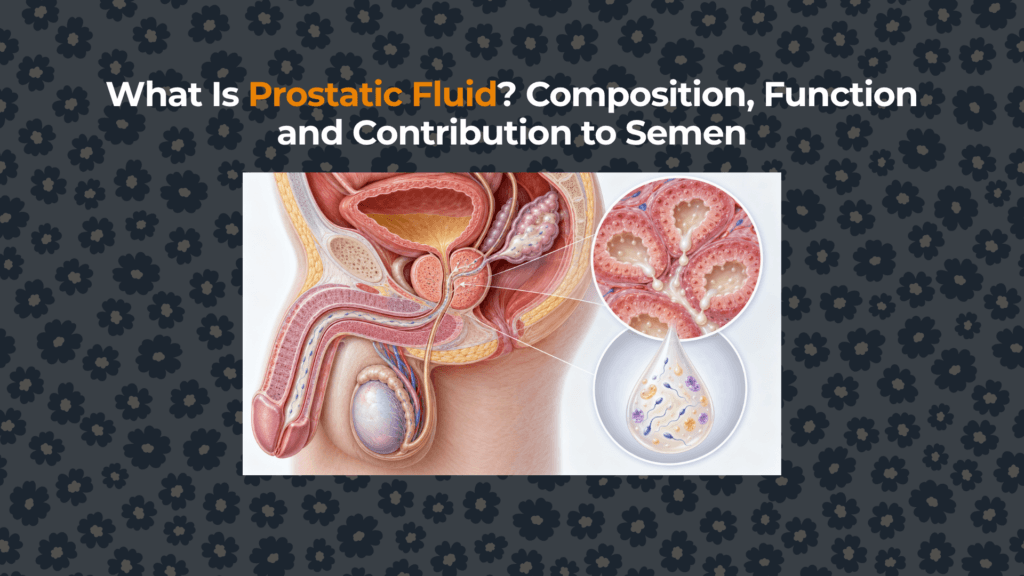
BIOCHEMICAL ATLAS Prostatic fluid is the secretion released from prostate acini through small ducts into the urethra. It is only one part of seminal plasma. Its unusually high citrate and zinc content, active enzymes and acidic tendency distinguish it from seminal-vesicle fluid and explain how the mixed ejaculate changes after ejaculation. Direct answer: Prostatic fluid […]