
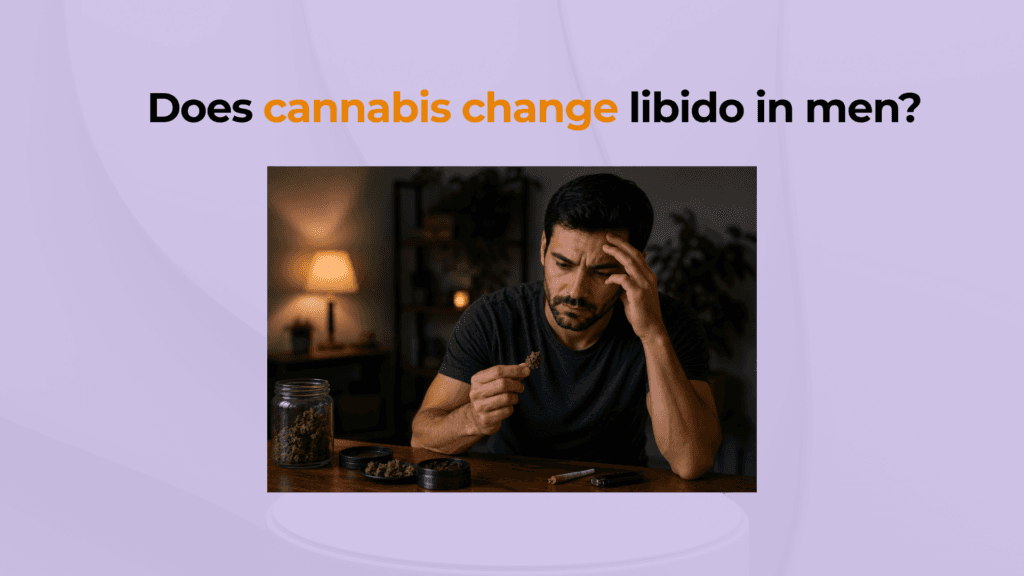
Does cannabis change libido in men?
Cannabis affects male libido through the endocannabinoid system, where acute THC exposure may lower inhibition and increase desire, while chronic heavy use correlates with potential hormonal suppression and reduced sexual function.
Yes, cannabis can change libido in men, but the effect is not a simple “yes” or “no.” It depends heavily on usage patterns. While occasional use may lower inhibitions and heighten sensory perception, leading to increased desire, chronic heavy consumption is often linked to reduced testosterone levels and diminished sexual function. Understanding the nuance between acute stimulation and chronic suppression is key to evaluating personal risk.
The Biological Mechanism of Cannabis and Sexual Desire
The biological mechanism of cannabis and sexual desire involves the interaction between THC and the body’s endocannabinoid receptors. This system plays a crucial role in regulating mood, arousal, and reward processing throughout the central nervous system.
How THC Interacts with the Endocannabinoid System
THC interacts with the endocannabinoid system by binding to CB1 receptors in the brain and peripheral nervous system to modulate arousal signals. These receptors are densely populated in the hypothalamus, a region of the brain that governs sexual behavior and hormone release.
When THC binds to these receptors, it influences the release of neurotransmitters. This neural signaling alteration modifies the perception of sexual stimuli, potentially making them feel more intense or rewarding. However, it is critical to distinguish this central neurological effect from the downstream hormonal impact. While the brain may signal increased desire, the physiological machinery required for erection is vascular and distinct from this central desire processing. Understanding hormonal balance is essential to seeing the full picture.
The Role of Dopamine and Relaxation
The role of dopamine and relaxation in cannabis-induced libido changes stems from the drug’s ability to reduce anxiety and heighten sensory perception. By lowering psychological inhibition, cannabis can indirectly boost sexual interest, particularly in men who experience performance-related stress.
This effect is driven by the activation of the dopaminergic reward pathway. Anxiety reduction lowers psychological barriers, which increases the willingness to engage in sexual activity. However, one must contrast the benefit of relaxation with the risk of psychological dependency. Relying on substances for arousal may indicate underlying issues, and cannabis should not be viewed as a treatment for performance anxiety because this constitutes unapproved medical advice and ignores underlying psychological conditions. For those struggling, managing performance anxiety through professional therapy is often a more sustainable path.
Key Distinctions
- Differentiate between desire (libido) and function (erection).
- Clarify that relaxation effects vary by individual chemistry.
- Note that reliance on substances for arousal may indicate underlying issues.
Clinical Evidence: Does Weed Increase or Decrease Libido?
Clinical evidence on whether weed increases or decreases libido shows conflicting data dependent on frequency and dosage of consumption. The relationship is best described by the “Biphasic Effect,” where low doses may stimulate desire while high doses suppress it.
Short-Term Effects vs. Long-Term Usage
Short-term effects versus long-term usage of cannabis reveal a divergence where acute use may stimulate desire while chronic use suppresses it. Immediately after consumption, users often report heightened sensory awareness and reduced anxiety. However, chronic exposure leads to receptor desensitization, which causes a diminished natural response over time.
It is crucial to contrast the immediate reported boost with the long-term potential for diminished baseline libido. Heavy, daily use is frequently associated with a downregulation of CB1 receptors, meaning the brain requires more of the substance to achieve the same effect, potentially leading to a state of apathy or low libido. Avoid using anecdotal forum posts as evidence because they lack controls for lifestyle factors and placebo effects. For a broader view on lifestyle impacts, see resources on substance use and health.
Impact on Testosterone and Hormonal Balance
The impact on testosterone and hormonal balance remains a subject of ongoing research with no consensus on permanent suppression in moderate users. While animal studies have shown clear suppression, human clinical findings are more nuanced. Heavy consumption may disrupt the HPG (Hypothalamic-Pituitary-Gonadal) axis, which causes transient hormonal fluctuation.
One must contrast animal study results with human clinical findings to prevent fear-mongering. Suppression does not always mean clinical hypogonadism, but for men concerned about fertility or energy, hormone level testing is recommended to verify baseline status.
| Usage Pattern | Potential Libido Effect | Hormonal Risk Level |
|---|---|---|
| Occasional / Low Dose | Neutral to Increased | Low |
| Frequent / High Dose | Potential Decrease | Moderate |
| Chronic Heavy Use | Likely Decrease | High |
Variables That Influence the Outcome
Variables that influence the outcome of cannabis on libido include strain composition, individual tolerance, and underlying mental health status. Two men might have opposite experiences due to these distinct factors.
Dosage and Strain Differences (Sativa vs. Indica)
Dosage and strain differences such as Sativa versus Indica alter the subjective experience of arousal through varying terpene and cannabinoid profiles. Stimulating strains may increase energy, which can enhance sexual drive, while sedating strains may promote relaxation but reduce physical readiness.
One must contrast the marketing claims of strains with the lack of regulatory standardization. Avoid recommending specific strains for sex because this constitutes medical prescription behavior. For general guidance, refer to principles of safe supplement usage.
Psychological Factors and Anxiety Reduction
Psychological factors and anxiety reduction play a critical role where cannabis acts as a disinhibitor for men with performance-related stress. Reduced cortisol lowers inhibition, which facilitates sexual engagement.
However, you must contrast temporary relief with the need for long-term psychological coping mechanisms. Avoid diagnosing anxiety disorders because this requires a licensed mental health professional. If anxiety is a primary driver, seeking mental health support is often more effective than self-medication.
When to Seek Medical Advice
When to seek medical advice regarding libido changes involves recognizing persistent symptoms that do not resolve with lifestyle adjustments.
Signs of Underlying Health Issues
Signs of underlying health issues such as sudden libido loss may indicate hormonal imbalances, vascular problems, or depression unrelated to cannabis. Persistent dysfunction signals a systemic issue, which requires clinical intervention.
You must contrast normal fluctuation with pathological symptoms. Avoid minimizing serious symptoms because delayed diagnosis can worsen outcomes for conditions like diabetes or heart disease. If symptoms persist, book a consultation with a urologist or endocrinologist.
Self-Assessment Checklist
- Monitor duration: Has the change lasted more than 3 months?
- Assess lifestyle: Are sleep, diet, and stress managed?
- Verify medications: Are other prescriptions affecting libido?
- Consult a provider: Schedule an exam if symptoms persist.