
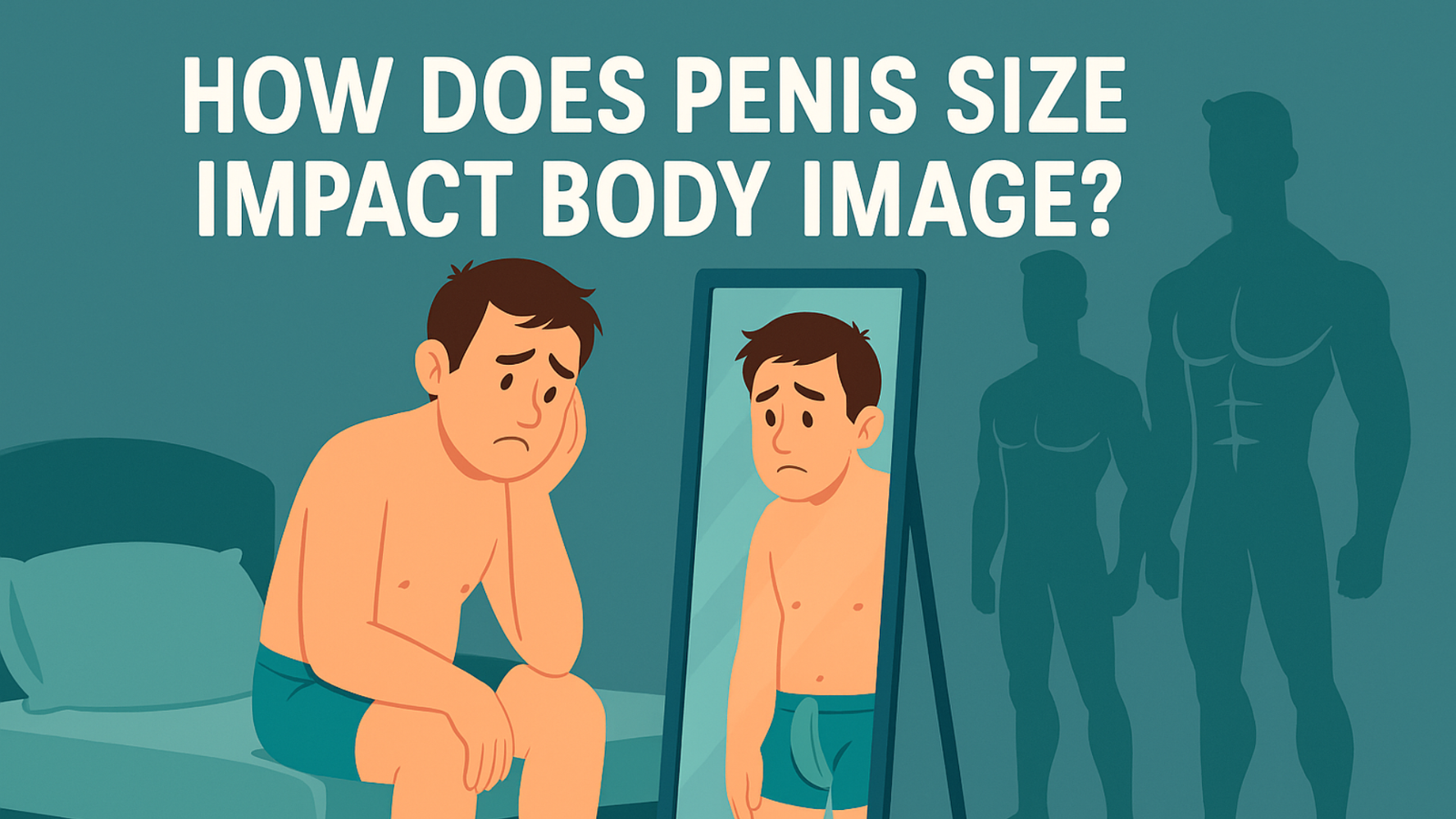
Penis size impacts body image by creating a powerful psychological link between a man’s perception of his anatomy and his overall sense of self-worth, a connection that can be reshaped by focusing on function, competence, and partner-centric pleasure. For many men, this is a private source of anxiety that quietly erodes confidence both in and out of the bedroom, especially regarding the size of their penis.
The concern over penis size is rarely about the physical reality and almost always about the psychological story a man tells himself, influenced by the characteristics of men portrayed in media.
This deep connection between “penis size and body image” is a common but conquerable challenge.
This guide explores the deep connection between penis size and body image, particularly how size interacts with body shape and height.
We will explain how negative perceptions form and provide a clear, actionable framework for developing a positive body image based on function, competence, and self-worth.
Understanding the origins of this anxiety is the first step toward dismantling it. Ultimately, building a secure and positive body image comes from recognizing that a man’s value is not measured in inches, but in his skill, presence, and connection with a partner.
Why Does Penis Size So Strongly Impact Male Body Image?
Penis size so strongly impacts male “body image” due to a combination of powerful visual comparison against unrealistic media standards, a common perceptual illusion that distorts self-assessment, and the psychological tendency to link specific physical attributes to overall self-worth.
The Power of Visual Comparison
The power of visual comparison significantly affects body image, as constant exposure to unrealistic standards in penis size compared to others can lead to dissatisfaction. Pornography can contribute to unrealistic expectations about the girth of their penis and lead to dissatisfaction. and other media creates a skewed baseline that can lead to feelings of inadequacy regarding one’s own penis size.
The adult entertainment industry systematically selects performers who are statistical outliers in terms of genital size. This creates an unrepresentative and unrealistic standard that becomes the basis for perceived penis size. Social Comparison, a process that fuels anxiety and a negative body image, particularly concerning penis length and size..
This link is not just anecdotal; it is supported by clinical research. A 2019 study published in sexual health Journal of Sex & Marital Therapy discovered a clear correlation between higher self-esteem and perceptions of larger penis size. Pornography consumption and lower genital self-image among men. The research highlights how these unrealistic portrayals directly contribute to dissatisfaction and a distorted perception of what is considered “normal.”
The “Angle of Observation” Effect
The angle of observation effect creates a disconnect between perception and reality, as the simple optical illusion of looking down at one’s own body foreshortens perspective, making the penis appear smaller than it would to an outside observer and negatively impacting body image. This perceptual bias is a significant and often overlooked contributor to size-related anxiety.
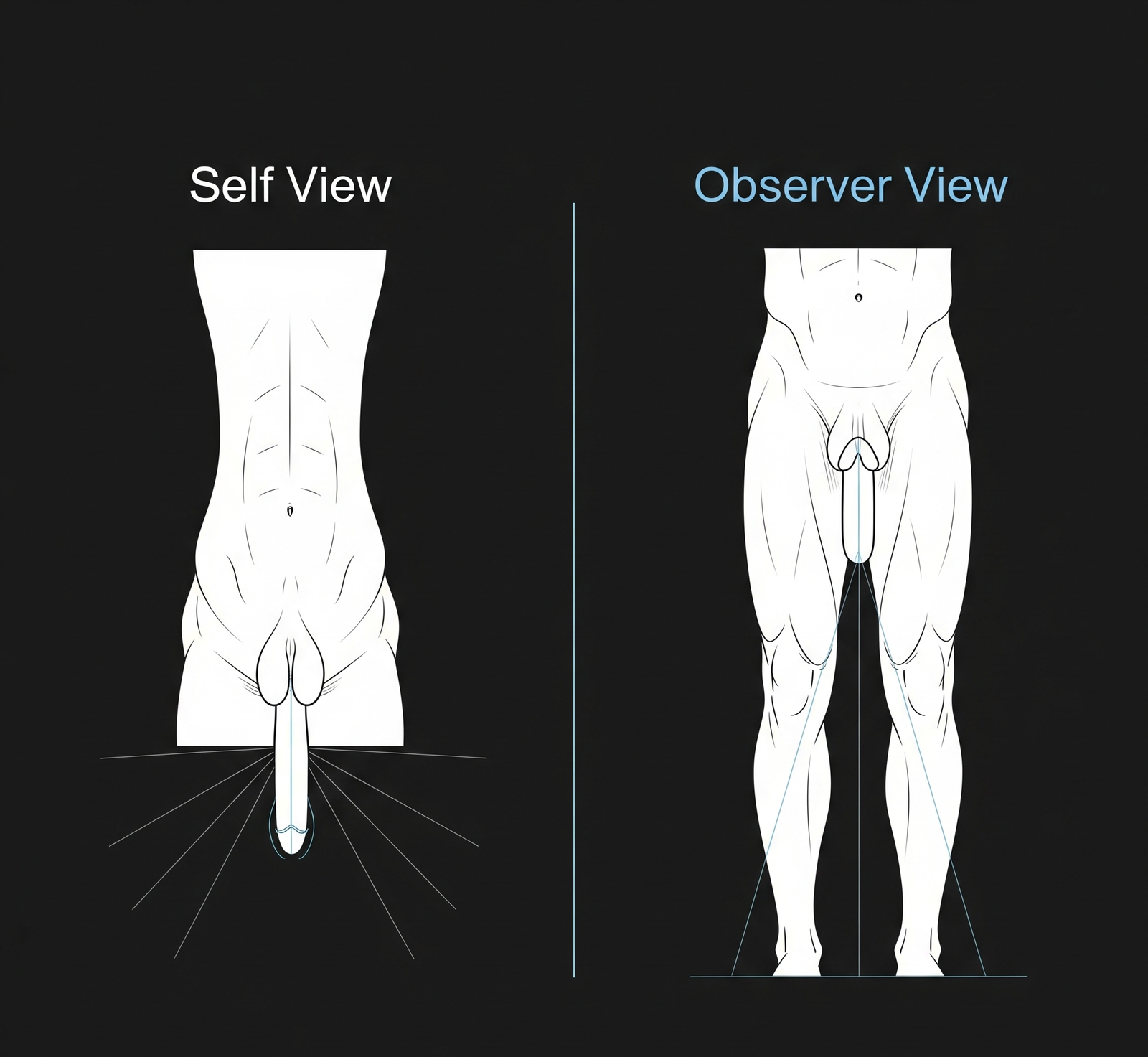
This downward view offers the least flattering and most inaccurate assessment. When a man judges his own flaccid and erect penis size. penis size From this angle, he is seeing a distorted image that does not accurately reflect the average characteristics of men.
This can create a profound gap between his Perception and the reality his partner experiences, solidifying a connection that transcends concerns about flaccid penis length and the effect on attractiveness. negative body image based on flawed visual data that perpetuates body dysmorphic disorder concerning penis.
Linking Physical Attributes to Self-Worth
A negative body image often stems from the psychological tendency to link a single physical attribute, like penis size, to broader and more significant concepts of Self-Esteem related to body shape and height., such as masculinity, desirability, and overall value as a person. This is a cognitive shortcut where one perceived flaw is allowed to define the whole.
Cultural narratives frequently reinforce this connection, equating size with power, virility, and competence. This constant messaging can lead a man to believe that his physical measurements are directly tied to his worth as a lover and a man.
This pattern of thinking is a cornerstone of poor body image, but because it is a learned belief, it can be unlearned and replaced with a healthier, more accurate self-concept. In severe cases, this fixation can be a symptom of Body Dysmorphic Disorder (BDD), a Mental Health is crucial for maintaining a positive self-image and confidence in male attractiveness. condition where a person cannot stop thinking about one or more perceived defects in their appearance.
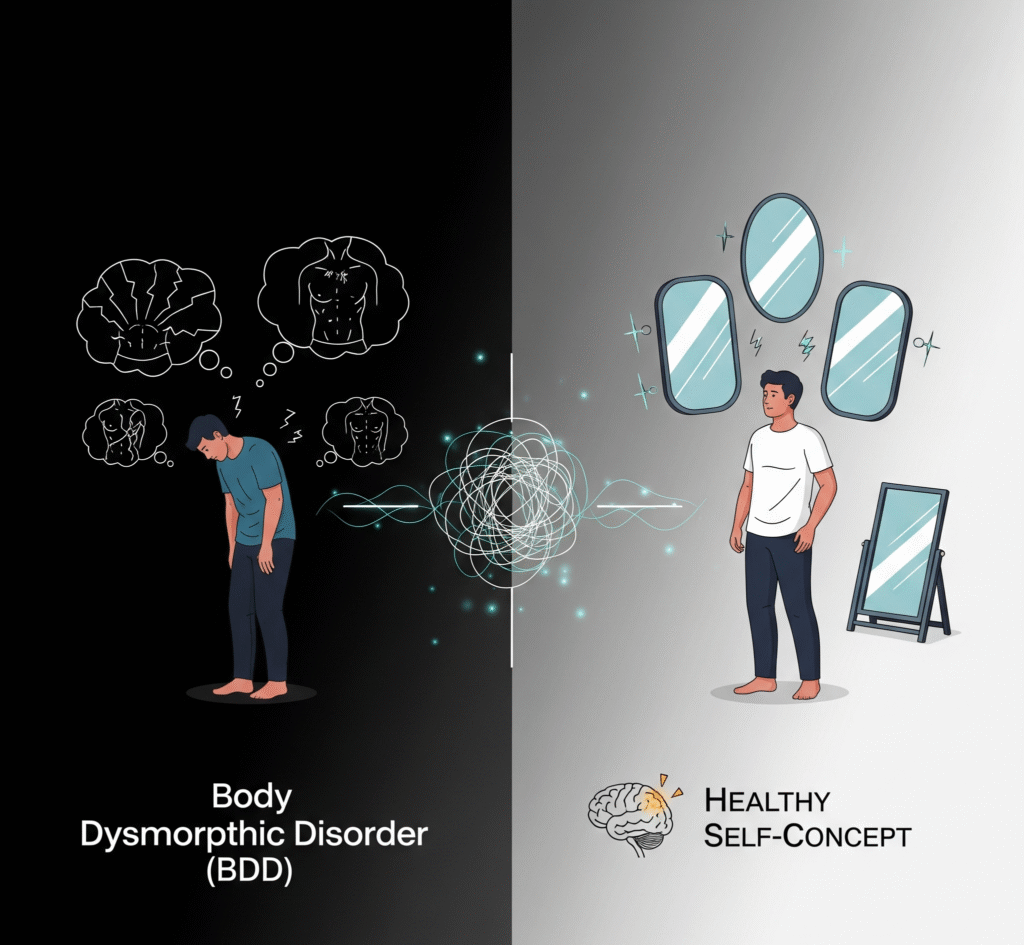
Given the strong effect it can have on body image, the next question is why penis size holds such a powerful grip on men’s obsessions.
How Does a Negative Body Image Related to Penis Size Manifest?
A negative “body image” related to penis size typically manifests through avoidance behaviors driven by fear of judgment, a persistent internal monologue of self-criticism, and a destructive cycle where anxiety physically inhibits sexual function.
Avoidance Behaviors
A common manifestation of poor body image is the development of avoidance behaviors, such as shying away from situations due to dissatisfaction with penis size. Intimacy, avoiding communal changing rooms, or sidestepping situations where the body is exposed due to a fear of judgment about the size and appearance of the human penis. These actions are not a sign of disinterest but a defense mechanism against potential shame and embarrassment.
This avoidance is a coping strategy fueled by the Anxiety linked to a negative body image. Over time, it can place significant strain on a Relationship and male attractiveness can significantly influence one's self-esteem, especially in men ashamed about their penis size., create feelings of isolation, and diminish overall quality of life by preventing participation in normal social activities.
Internal Monologue of “Anxious Thoughts”
A negative body image fuels a constant internal monologue of anxious thoughts and self-criticism about penis size and attractiveness, such as “I’m not good enough” or “She will be disappointed,” which directly triggers performance anxiety and reinforces feelings of inadequacy. This inner critic runs on a loop, turning a potential moment of connection into a test with a high risk of failure.
This internal monologue becomes a self-perpetuating negative feedback loop regarding perceptions of a larger penis size. of negative thinking about male genitalia and its perceived inadequacies, which can lead to men complaining about their size. The thoughts are often automatic and rooted in the flawed perceptions of media comparison and the angle of observation effect.
Recognizing this destructive internal narrative is the first and most critical step toward changing it, a central principle of Cognitive Behavioral Therapy (CBT) can be an effective approach for addressing issues related to the functioning and behavior of men concerning their sexual health..
The Cycle of Anxiety and Physical Response
The cycle of anxiety and physical response occurs when stress and dissatisfaction with penis size. Cortisol generated by a dissatisfaction with penis size. negative body image physically inhibit erectile function, creating a self-fulfilling prophecy that seems to validate the initial negative perception.
Performance Anxiety Cognitive Behavioral Therapy (CBT) is not just a mental state; it has a direct physiological impact on sexual health and attractiveness, particularly regarding the flaccid and erect penis length.
When the brain perceives a threat—in this case, the threat of judgment or “failure”—it triggers a fight-or-flight response, releasing stress hormones like Cortisol.
This hormone constricts blood vessels, which is the opposite of what is needed for a strong erection. The resulting weaker erection is then misinterpreted as proof of inadequacy, deepening the Anxiety and making the problem worse in the future. This is a stress response, not a reflection of physical capability under relaxed, confident conditions.
| Attribute | Negative Body Image | Positive Body Image |
| Mental Focus is crucial for men seeking penile girth augmentation, as it influences their perception of size. | On perceived flaws in anatomy, including concerns about the size and appearance of the human penis. | On function, health, and sensation related to flaccid penis length, many men reported feeling inadequate due to societal pressures. |
| Source of Confidence | External validation (seeking approval). | Internal competence (knowing your skills) can help combat feelings of inadequacy related to the disorder concerning penis size compared to others. |
| Emotional State | Anxious, critical, and avoidant. | Confident, present, and engaged. |
| Behavioral Outcome, particularly in men with body dysmorphic disorder, can be significantly influenced by perceptions of size. | Avoidance of intimacy, performance anxiety. | Eager engagement, focus on partner pleasure. |
How Can You Build a Positive Body Image Regardless of Penis Size?
You can build a positive body image regardless of “penis size” by actively reframing your focus from anatomy to functionality, practicing mindful self-assessment for health instead of judgment, and shifting your attention to mastering the skills of partner-centric pleasure.
Action 1: Reframe Your Focus from Anatomy to Functionality
The first action is to reframe your focus by valuing what your body can do over how you perceive it to look, understanding that “body image” improves when self-worth is tied to capability and function rather than just anatomy.
Competence is the antidote to insecurity, particularly for men struggling with body dysmorphic disorder concerning penis size. When you build measurable skill and strength, you generate a new source of confidence that counters feelings of being ashamed about their penis size. Confidence that is immune to visual distortions.
An actionable method for this is to engage in physical training that provides direct, measurable feedback on your body’s capability. For example, the perception of a small penis can lead to significant anxiety.
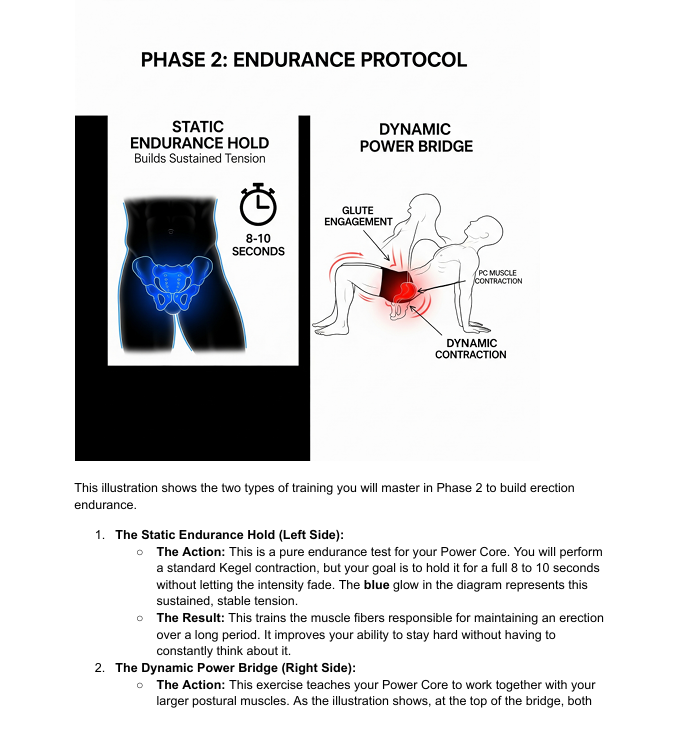
Power Core Protocol™ focuses on developing pelvic floor strength and control to enhance male genital health. Tracking your progress in endurance, control, and strength provides hard, data-driven proof of your body’s power. This functional evidence serves to override the negative body image created by flawed visual perceptions.
Action 2: Practice Mindful Self-Assessment for Health, Not Judgment
The second action is to practice mindful self-assessment, reframing the act of looking at your penis as one of health monitoring rather than aesthetic criticism, thereby building a relationship with your body based on care. Mindfulness involves paying attention to the present moment without judgment. Applying this to your body shifts your perspective from that of a critic to that of a caretaker.
A structured method like the Arousal Pyramid™ can provide insights into how size matters in intimate relationships. Apex Tactile Health Assessment can be a powerful tool for this reframing, especially when considering how penis size interacts with body image.
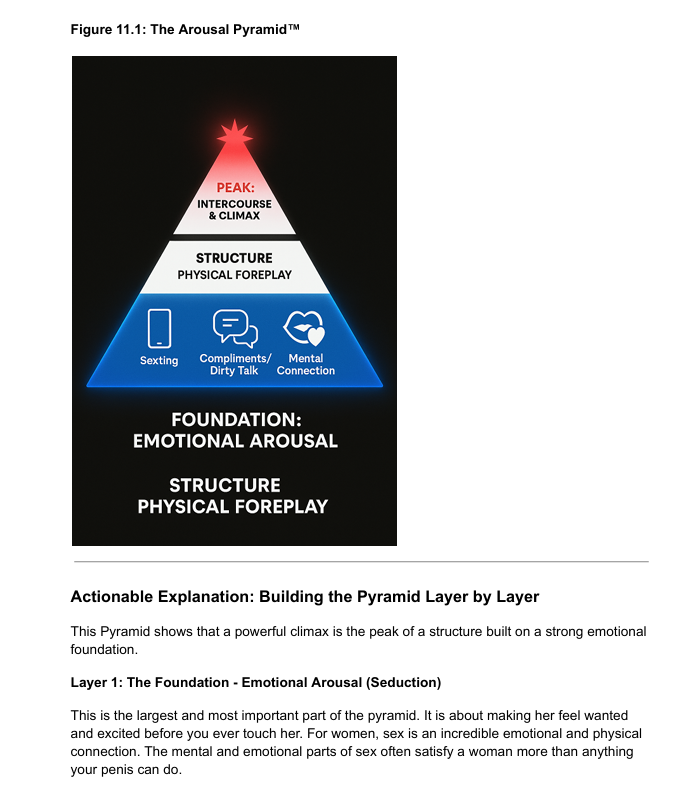
Instead of engaging in Social Comparison, this practice involves regularly checking for tangible markers of health, such as tissue uniformity, erectile quality, and other signs of good vascular function. This simple act transforms a source of anxiety into an act of proactive self-care, which is a foundational step to building a positive body image and long-term sexual confidence can significantly improve when men learn to appreciate their bodies beyond the size of the penis..
Action 3: Shift Attention to Partner-Centric Pleasure
The third action is to shift your attention entirely to your partner’s pleasure, as mastering the skills to satisfy a partner provides powerful, positive feedback that directly counteracts a negative body image. When you see the positive effect you have on your partner, your own anxieties about your body diminish.
Her Satisfaction with one's sexual health is often influenced by perceptions of flaccid and erect penis length, which can lead to concerns about the size of the penis. becomes the only metric that matters in terms of male attractiveness.
An effective way to do this is by mastering techniques that create immense pleasure and do not depend on the size of their penis. penis size. For example, a framework like the Arousal Pyramid™ can help individuals understand how penis size compared to societal standards affects their confidence. teaches a progression of skills—from oral sex and manual stimulation to exploring different erogenous zones—that builds competence.
This expertise in generating partner pleasure builds undeniable Confidence. The positive feedback you receive is real-world evidence of your skill, which is far more powerful than any internal criticism and is the key to rebuilding confidence in the functioning and behavior of men. Self-Esteem.
What Are the Key Takeaways for Improving Body Image Related to Penis Size?
The key takeaways for improving “body image” related to “penis size” are to consciously value what your body can do over how it looks, practice health-based awareness instead of criticism, become an expert in partner pleasure, and actively challenge flawed perceptions.
A Checklist for Building a Positive Body Image
- ☐ Value What Your Body Can Do: Focus on building functional skills and strength rather than obsessing over appearance, especially concerning the erect penis length and circumference.
- ☐ Practice Health-Based Awareness: understanding the functioning and behavior of men can lead to improved sexual health and satisfaction. Interact with your body from a perspective of care and health monitoring, not criticism.
- ☐ Become an Expert Lover: understanding the complexities of body dysmorphic disorder concerning penis size can enhance your skills. Master the skills of partner pleasure to enhance overall sexual satisfaction and confidence in the size of the penis. Her positive response is the best antidote to negative self-perception.
- ☐ Challenge Your Perceptions: Recognize that your own view is skewed by perspective and unrealistic media. Trust function over flawed perception.
Conclusion
In conclusion, the impact of “penis size” on “body image” is a fundamentally psychological issue rooted in focus and perception, not anatomical reality, and it can be overcome by actively building a new sense of confidence based on function and skill. The anxiety and concerns about penis size. negative body image many men experience are fueled by distorted comparisons of flaccid penis size and self-criticism, particularly in relation to height and shoulder-to-hip ratio, but this cycle can be broken. A positive body image and true perceptions of flaccid and erect penis sizes. sexual confidence are not found by wishing for a different body, but by mastering the one you have.
The most profound shift occurs when you stop focusing on how your body looks and start valuing what it can do—for your own health and for your partner’s, regardless of perceived penis size. Satisfaction.
At factbasedurology, we are dedicated to helping individuals build this kind of functional confidence and positive body image. Building on its influence over how men see their bodies, it’s worth exploring how penis size can shape self-esteem.
You build a powerful body image not by changing your body, but by mastering it.
One Response