

What Are the Crura and the Bulb of the Penis?
The crura and the bulb of the penis are the three primary erectile tissue structures that together constitute the internal root of the penis, anchoring the organ to the pelvis and initiating the erectile columns of the shaft.
These internal structures, though not visible, are essential for providing a stable foundation for the penis and play an indispensable role in achieving a rigid erection. Think of the root of the penis as the foundation of a skyscraper—an unseen, deep anchor that is absolutely essential for the stability of the visible structure above.
This guide provides a detailed, medically accurate explanation of the “crura and bulb of the penis,” their anatomical components, precise locations, and their vital functions. The components making up the root of penis anatomy are critical for overall function.
Key Takeaways on the Root of the Penis
- What They Are: The crura (paired) and the bulb (single) are the three erectile tissue bundles that form the internal root of the penis.
- Location: They are located in the perineum (between the scrotum and anus), where they are anchored to the pelvic bones.
- Internal-External Link: The crura continue into the shaft to become the corpora cavernosa (main erectile bodies). The bulb continues into the shaft to become the corpus spongiosum (which contains the urethra).
- Primary Function: They anchor the penis and, with their associated muscles, contract to create maximum rigidity during an erection.
What Are the Crura of the Penis?
Where Are the Crura Located?
The two crura of the penis are located internally, diverging laterally from the midline and attaching firmly along the inferior surfaces of the ischiopubic rami (part of the pubic arch).
What Is the Structure of the Crura?
Structurally, the crura of the penis are tapered, posterior continuations of the corpora cavernosa, composed of the same specialized erectile tissue that holds 90% of the blood during an erection.
What Is the Primary Function of the Crura?
The primary function of the crura is to provide a strong, stable anchor point for the penis against the pelvis, enabling the generation of rigidity during erection. This firm anchoring is a key component of erection stability.
What Is the Bulb of the Penis?
Where Is the Bulb Located?
The bulb of the penis is located internally in the midline, situated between the two crura within the superficial perineal pouch (the area between the scrotum and anus). This “bulb of the penis location” is central to the internal penis structure.
What Is the Structure of the Bulb?
Structurally, the bulb of the penis is an enlarged, singular column of erectile tissue that represents the proximal continuation of the corpus spongiosum, and it is directly traversed by the urethra.
The bulb of the penis and its relationship to the urethra is key to understanding its function in ejaculation.
What Is the Primary Function of the Bulb?
The primary functions of the bulb of the penis are contributing to erection through blood engorgement and facilitating ejaculation via contractions of the surrounding bulbospongiosum muscle.
How Do the Crura and the Bulb of the Penis Work Together?
The crura and the bulb of the penis work together synergistically, forming a unified erectile foundation that anchors the penis and enables both rigid erection and forceful ejaculation.
What Muscles Are Associated with the Root of the Penis?
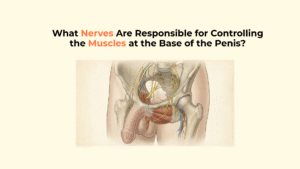
The root of the penis is covered by two key superficial perineal muscles: the ischiocavernosus muscles covering the crura and the bulbospongiosum muscle covering the bulb. The crura and bulb connect with pelvic muscles such as the bulbospongiosus and ischiocavernosus at the base.
- Ischiocavernosus Muscles: These paired muscles cover each crus. During erection, they contract powerfully to compress the underlying crura. This action blocks venous outflow and dramatically raises intracavernosal pressure (the pressure inside the erectile chambers) to levels exceeding 100 mmHg, which is necessary to achieve full, rigid erection stability.
- Bulbospongiosus Muscle: This single, midline muscle covers the bulb of the penis. The “bulbospongiosus muscle function” is twofold: its contraction compresses the bulb to aid in erection and also produces the rhythmic contractions that expel urine or semen through the urethra (ejaculation) and contributing to erection.
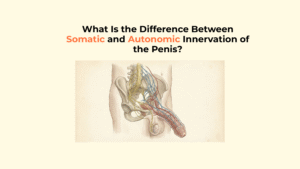
Both of these critical muscles are innervated by the pudendal nerve, which is the primary nerve for genital sensation and function. (Source: Perineum Anatomy, StatPearls, NCBI)
What Is Their Combined Role in an Erection?
In an erection, the combined role of the crura and the bulb is to simultaneously engorge with blood, creating a rigid, three-pointed internal base that supports the external shaft and allows it to achieve tumescence and angulation. The “function of penile crura” and bulb in this process is to create a stable, anchored foundation against the pelvis, allowing the external portion of the organ to become rigid.
A firm anchor point is essential for pressure transmission in the shaft—read more in our guide to erectile blood flow dynamics.
What Is Their Combined Role in Ejaculation?
During ejaculation, the muscles covering the crura and bulb coordinate: the ischiocavernosus muscles maintain rigidity while the bulbospongiosus muscle contracts rhythmically to expel semen. The ischiocavernosus maintains rigidity by compressing the crura, while the bulbospongiosus provides the propulsive force by compressing the bulb and the urethra within it.
Comparison Matrix: The Crura vs. the Bulb of the Penis
This table provides a direct comparison summarizing the key anatomical and functional differences between the crura and the bulb of the penis.
| Feature | The Crura | The Bulb |
|---|---|---|
| Number | Two (Paired) | One (Single) |
| Location | Attached to sides of pubic arch | Central, in midline between crura |
| Forms Which External Part? | Corpora Cavernosa | Corpus Spongiosum |
| Primary Function | Anchoring and providing rigidity (>100 mmHg) | Fills with blood; aids in ejaculation. |
Conclusion: The Unseen Foundation of Penile Function
In conclusion, the crura and the bulb are the essential erectile tissue components forming the root of the penis, the crucial internal foundation located in the perineum.
These unseen structures, through their firm anchoring and the function of their associated muscles, provide the indispensable stability and rigidity necessary for the penis to perform its functions during erection and ejaculation. This internal foundation is a testament to the sophisticated engineering required for full penile function. At Factbasedurology, we believe that understanding the complete anatomy—both seen and unseen—is the key to appreciating the body’s complex design.
Related Anatomical Guides
For a broader understanding of penile structure, explore our complete penile anatomy guide.
The crura are direct extensions of the corpora cavernosa, the erectile bodies that form the bulk of the penile shaft.
The bulb continues as the corpus spongiosum housing the urethra, enabling both urination and ejaculation.
These erectile tissues are enveloped by perineal muscles discussed in the base muscles of the penis section.
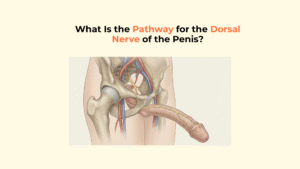
Innervation is provided by the pudendal nerve, crucial for erection and ejaculation reflexes.
For deeper understanding of urethral passage through the bulb, refer to our Urethral Stricture Knowledge Hub.
The bulb and crura form the complete penile root structure, anchoring the penis securely to the pelvis.
Surrounding structures like fascia also contribute to this rigidity—see the fascial support layers of the penis.
The suspensory ligament also supports the external shaft and indirectly relates to root function.
For more on urethral anatomy and related conditions, visit the Urethral Stricture Knowledge Hub.
Glossary of Clinical Terms
To ensure full clarity, this glossary defines the key anatomical terms used throughout this guide on the root of the penis.
| Term | Definition |
|---|---|
| Root of the Penis | The internal, attached portion of the penis located in the perineum, which anchors the organ to the pelvic bones. |
| Crura (singular: Crus) | The two paired, tapered columns of erectile tissue in the root that are the internal continuations of the Corpora Cavernosa. |
| Bulb of the Penis | The single, enlarged erectile structure in the root that is the internal continuation of the Corpus Spongiosum and surrounds the urethra. |
| Corpora Cavernosa | The two main, parallel columns of erectile tissue that form the bulk of the penile shaft and extend internally to form the crura. |
| Corpus Spongiosum | The single column of spongy erectile tissue that surrounds the urethra and extends internally to form the bulb. |
| Perineum | The diamond-shaped area between the pubic symphysis (pubic bone) and the coccyx (tailbone), located between the legs. |
| Ischiopubic Rami | The part of the pelvic bone (pubic arch) to which the crura of the penis are firmly attached. |
| Ischiocavernosus Muscle | The muscle that covers each crus of the penis and contracts to increase erectile rigidity. |
| Bulbospongiosum Muscle | The muscle that covers the bulb of the penis and contracts to aid in erection and expel semen during ejaculation. |
| Pudendal Nerve | The primary nerve in the pelvic region responsible for innervating the genital muscles and providing sensation. |
2 Responses