
S1E05 · S1 — WHY WON’T IT WORK?
My Erection Is Only 60–70% Hard. What Does That Mean?
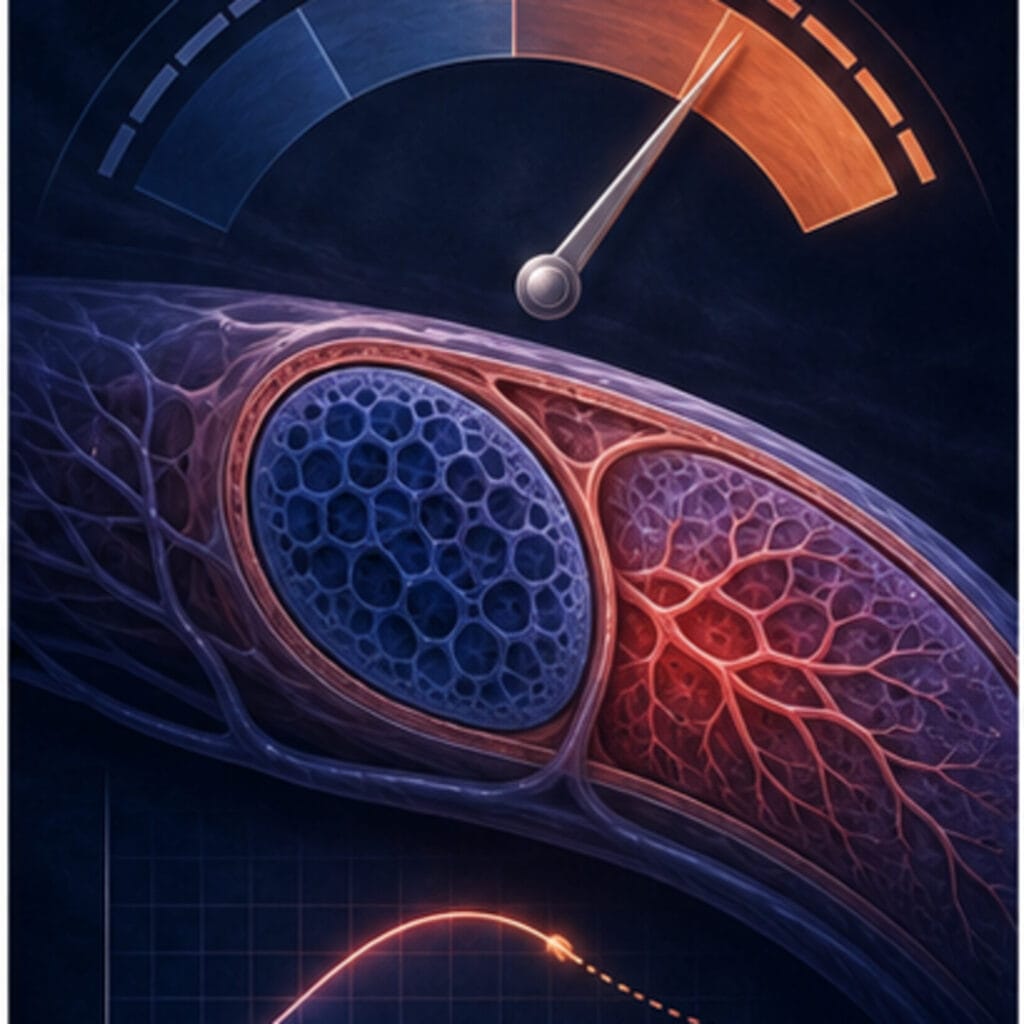
Partial rigidity can result from incomplete arousal, interruption, anxiety, medication effects or reduced vascular response. This episode explains the erection-hardness concept, why personal percentages are imprecise, how consistency and context matter, and when reduced firmness warrants cardiovascular and sexual-health evaluation.
About this episode
Partial rigidity can result from incomplete arousal, interruption, anxiety, medication effects or reduced vascular response. This episode explains the erection-hardness concept, why personal percentages are imprecise, how consistency and context matter, and when reduced firmness warrants cardiovascular and sexual-health evaluation.
Key questions answered
- What does the evidence say about this pattern?
- Which explanations are plausible—and which are commonly overstated?
- What information changes the clinical interpretation?
- Which symptoms or changes deserve medical assessment?
Main findings
- One symptom pattern rarely proves one cause.
- Context, onset, consistency, distress and relevant health history change the interpretation.
- Guidelines support structured assessment rather than internet self-diagnosis.
- Management should match the identified contributors, preferences and safety limits.
Research sources
- European Association of Urology: Sexual and Reproductive Health Guidelines 2026 — https://uroweb.org/guidelines/sexual-and-reproductive-health
- American Urological Association: Clinical Guidelines — https://www.auanet.org/guidelines-and-quality/guidelines
Medical limitations and red flags
- This episode provides general education and cannot diagnose an individual condition.
- Evidence quality and treatment response vary across people.
- Seek qualified care for persistent, worsening or distressing symptoms.
- Urgent symptoms should be assessed promptly rather than managed through online advice.