
What Is the Primary Function of the Helicine Arteries?
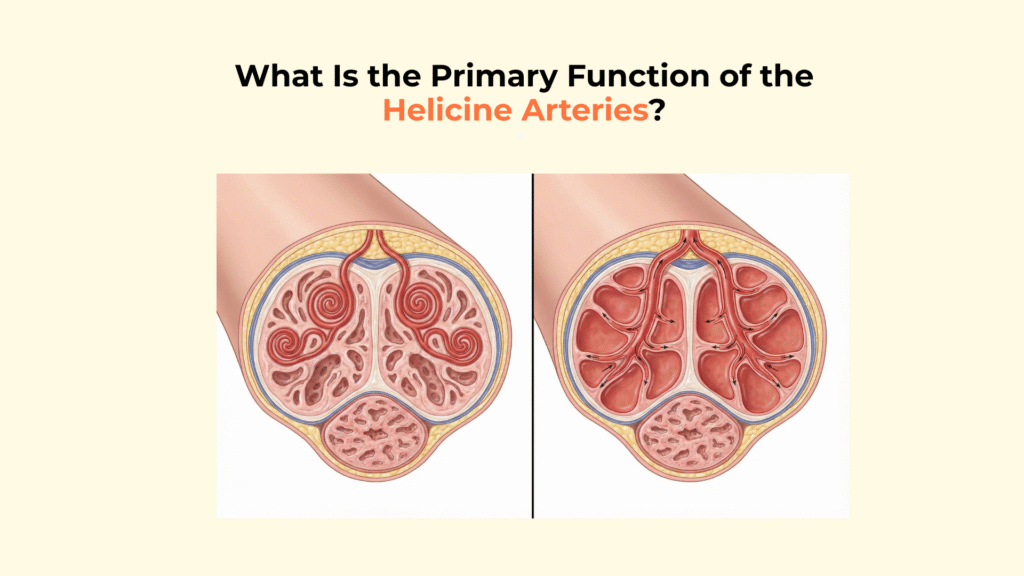
What Is the Primary Function of the Helicine Arteries? The primary function of the helicine arteries is to act as the physiological “resistance valves” of the penis, regulating erectile state by constricting to limit blood flow during flaccidity and dilating to flood the erectile tissue during arousal. These microscopic vessels act as the final gatekeepers […]
What Are the Main Arteries That Supply Blood to the Penis?
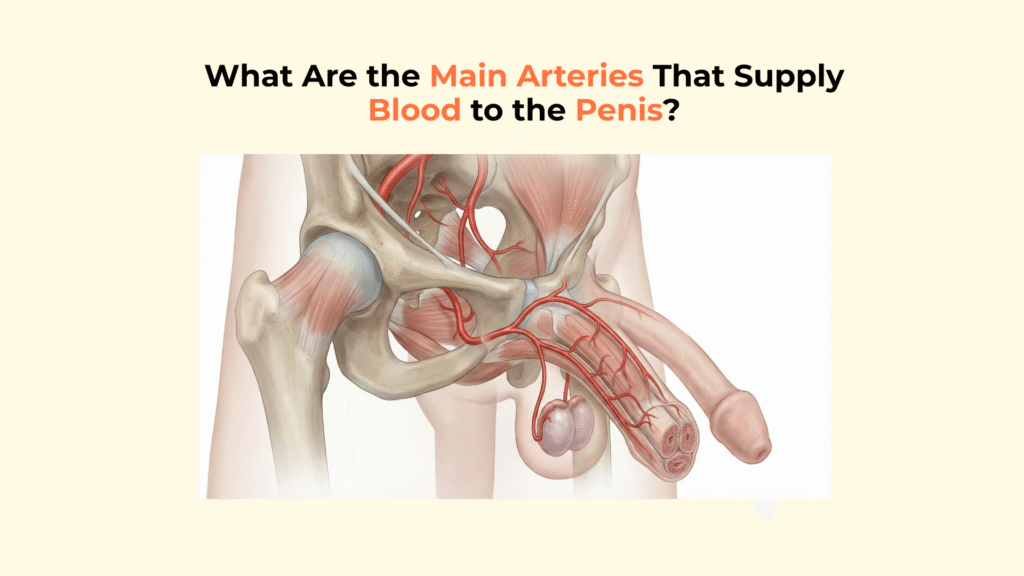
What Are the Main Arteries That Supply Blood to the Penis? The main arteries supplying blood to the penis are the three terminal branches of the internal pudendal artery: the bulbourethral artery, the dorsal artery, and the cavernosal (deep) artery, each serving a specific physiological role in nutrition or erection. A high-fidelity anatomical illustration showing […]
What Is the Structure and Function of the Intracavernosal Struts of the Penis?
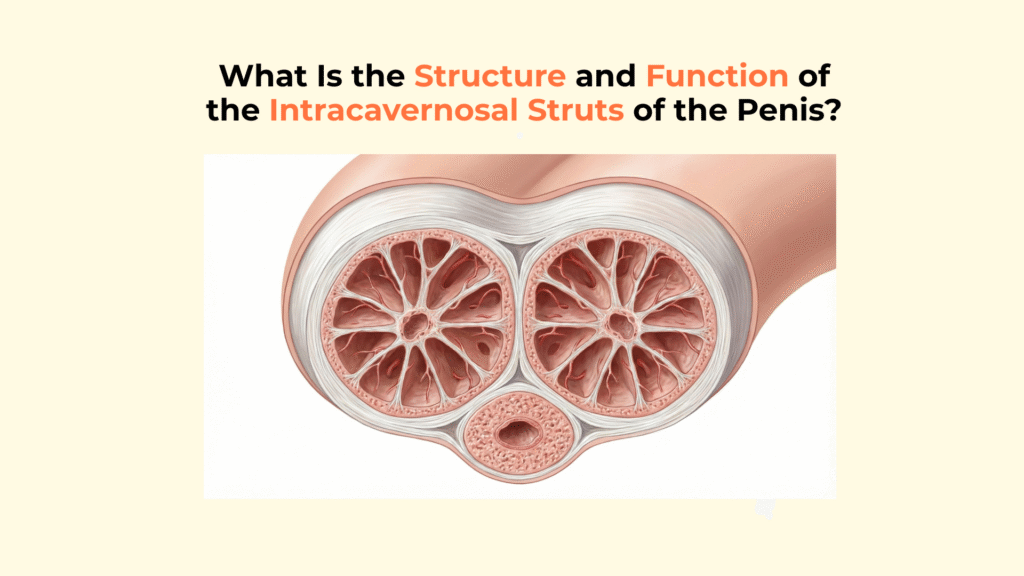
What Is the Structure and Function of the Intracavernosal Struts of the Penis? The intracavernosal struts are robust, internal bundles of smooth muscle and collagen that traverse the interior of the corpora cavernosa, acting as structural tethers to maintain the penis’s cylindrical shape and provide axial stability during an erection. Without these critical internal supports […]
How Does the Fundiform Ligament Provide Support to the Penis?
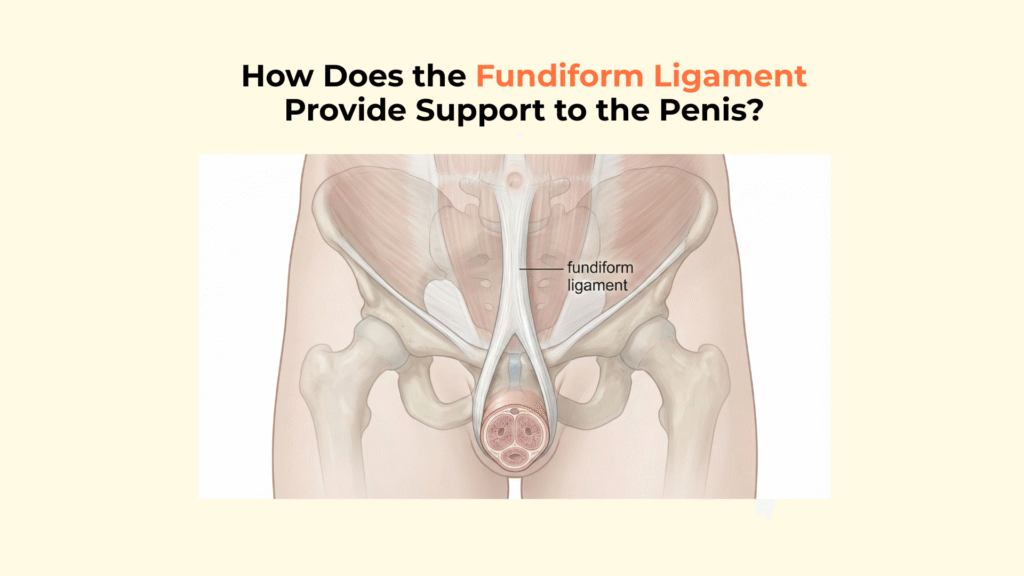
How Does the Fundiform Ligament Provide Support to the Penis? The fundiform ligament provides support to the penis by acting as a superficial, elastic sling that originates from the abdominal wall and encircles the penile base, suspending the weight of the organ and maintaining its vertical alignment. While the deeper suspensory ligament is often discussed […]
What Is the Penile Septum?
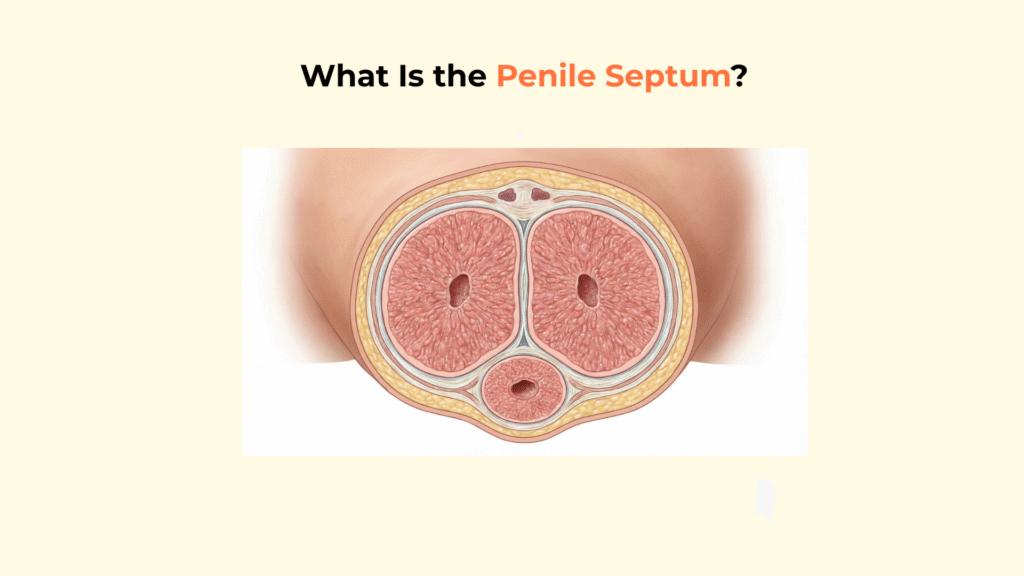
What Is the Penile Septum? The penile septum is the incomplete, comb-like midline partition formed by the fusion of the inner layers of the Tunica Albuginea where the two Corpora Cavernosa meet, serving as a central structural strut that allows for equalized blood flow. While the term “septum” typically implies a solid wall separating two […]
What Are the Fascial Layers That Cover the Penis?
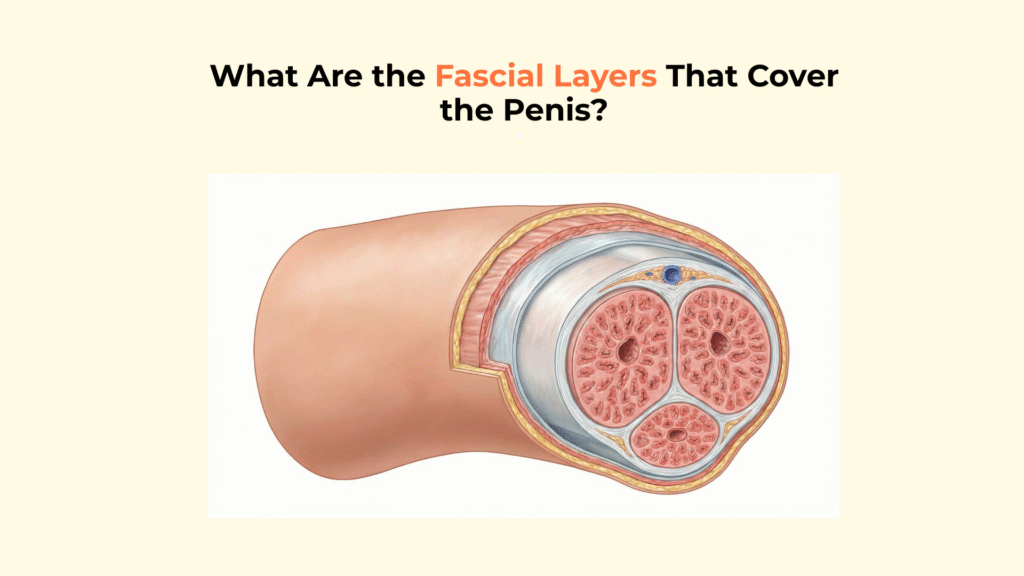
What Are the Fascial Layers That Cover the Penis? The penis is covered by a specific hierarchy of fascial layers, primarily the Superficial Penile Fascia (Dartos) and the Deep Penile Fascia (Buck’s), which provide mobility, temperature regulation, and structural containment for the erectile tissues. These layers are not merely skin; they are complex, distinct connective […]
What Is the Anatomical Relationship Between the Corpus Spongiosum and the Urethra?
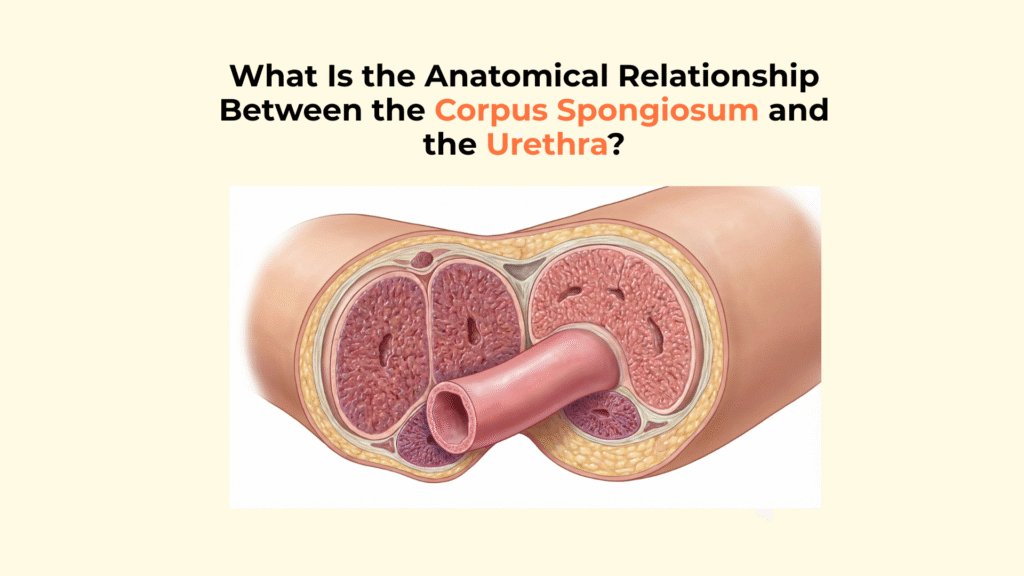
What Is the Anatomical Relationship Between the Corpus Spongiosum and the Urethra? The anatomical relationship between the corpus spongiosum and the urethra is one of complete encapsulation, where the spongy vascular tissue forms a protective, low-pressure sleeve around the penile urethra to maintain its open state (patency) during erection and ejaculation. Without this specific “tube-within-a-tube” […]
How Does the Tissue of the Corpus Spongiosum Differ from the Corpora Cavernosa?
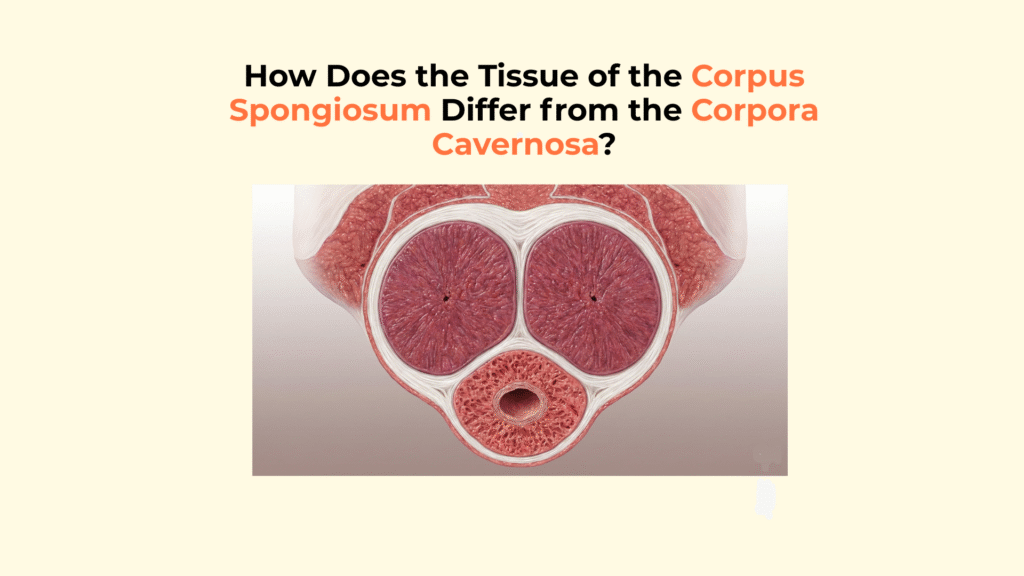
How Does the Tissue of the Corpus Spongiosum Differ from the Corpora Cavernosa? The tissue of the Corpus Spongiosum differs from the Corpora Cavernosa primarily in the thickness of its outer sheath (Tunica Albuginea) and its internal pressure handling, designed to remain pliable for urethral patency rather than becoming rigid for penetration. While both structures […]
What Is the Role of the Tunica Albuginea in Male Sexual Function?
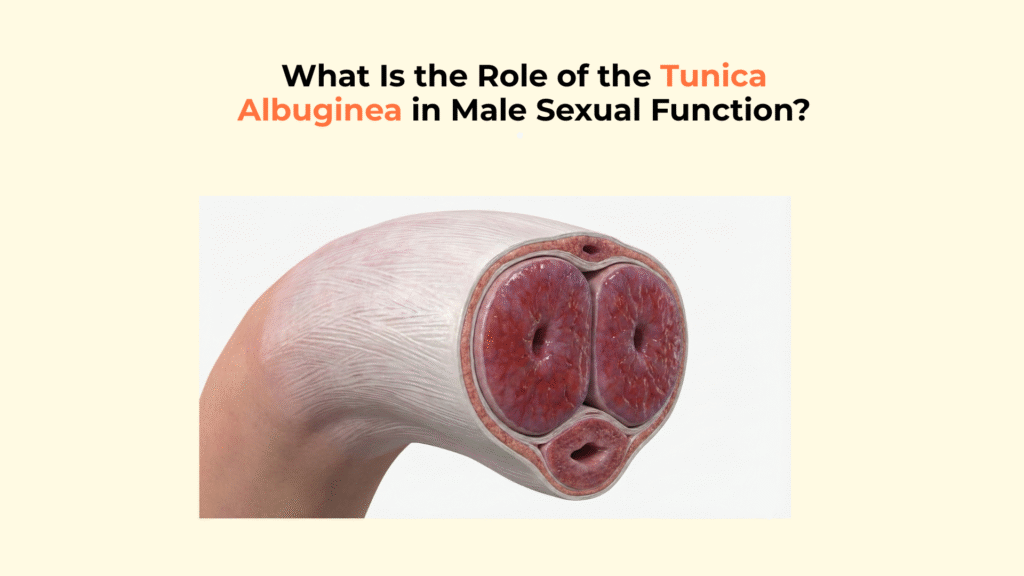
What Is the Role of the Tunica Albuginea in Male Sexual Function? The primary role of the Tunica Albuginea in male sexual function is to act as a high-strength, non-distensible envelope that traps blood within the penis to generate the rigidity required for sexual intercourse, a process known as the veno-occlusive mechanism. While arterial inflow […]
How Does the Tunica Albuginea Contribute to the Structure of the Erectile Tissue?
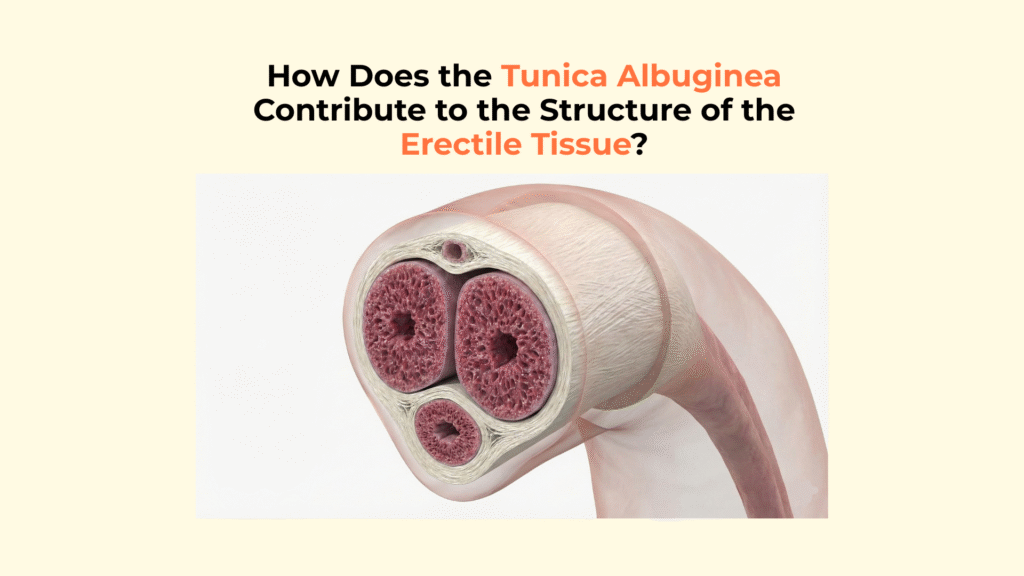
How Does the Tunica Albuginea Contribute to the Structure of the Erectile Tissue? The Tunica Albuginea contributes to the structure of the erectile tissue by acting as a high-strength, bi-layered fibrous container that resists expansion to generate the high intracavernosal pressure required for a rigid erection. Without this tough, fibrous envelope, the penis would not […]