
S2E03 · S2 — WHY DO I FINISH SO FAST?
What’s Actually Considered “Too Fast”?
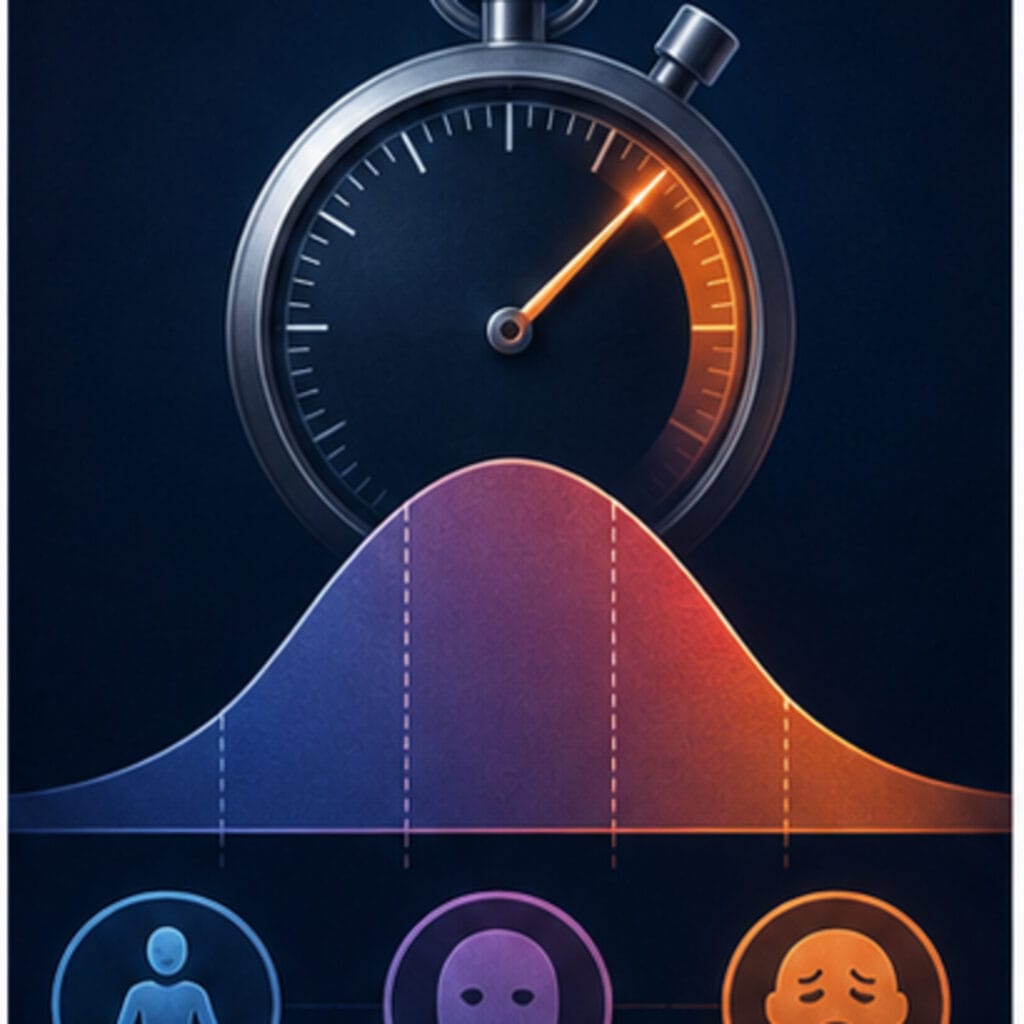
Premature ejaculation is not defined by a universal stopwatch cutoff alone. This episode explains intravaginal ejaculation latency time, perceived control, distress and relationship impact, and distinguishes lifelong from acquired patterns. It also shows why population averages are not minimum performance requirements.
About this episode
Premature ejaculation is not defined by a universal stopwatch cutoff alone. This episode explains intravaginal ejaculation latency time, perceived control, distress and relationship impact, and distinguishes lifelong from acquired patterns. It also shows why population averages are not minimum performance requirements.
Key questions answered
- What does the evidence say about this pattern?
- Which explanations are plausible—and which are commonly overstated?
- What information changes the clinical interpretation?
- Which symptoms or changes deserve medical assessment?
Main findings
- One symptom pattern rarely proves one cause.
- Context, onset, consistency, distress and relevant health history change the interpretation.
- Guidelines support structured assessment rather than internet self-diagnosis.
- Management should match the identified contributors, preferences and safety limits.
Research sources
- European Association of Urology: Sexual and Reproductive Health Guidelines 2026 — https://uroweb.org/guidelines/sexual-and-reproductive-health
- American Urological Association/SMSNA: Disorders of Ejaculation Guideline — https://www.auanet.org/guidelines-and-quality/guidelines/disorders-of-ejaculation
Medical limitations and red flags
- This episode provides general education and cannot diagnose an individual condition.
- Evidence quality and treatment response vary across people.
- Seek qualified care for persistent, worsening or distressing symptoms.
- Urgent symptoms should be assessed promptly rather than managed through online advice.